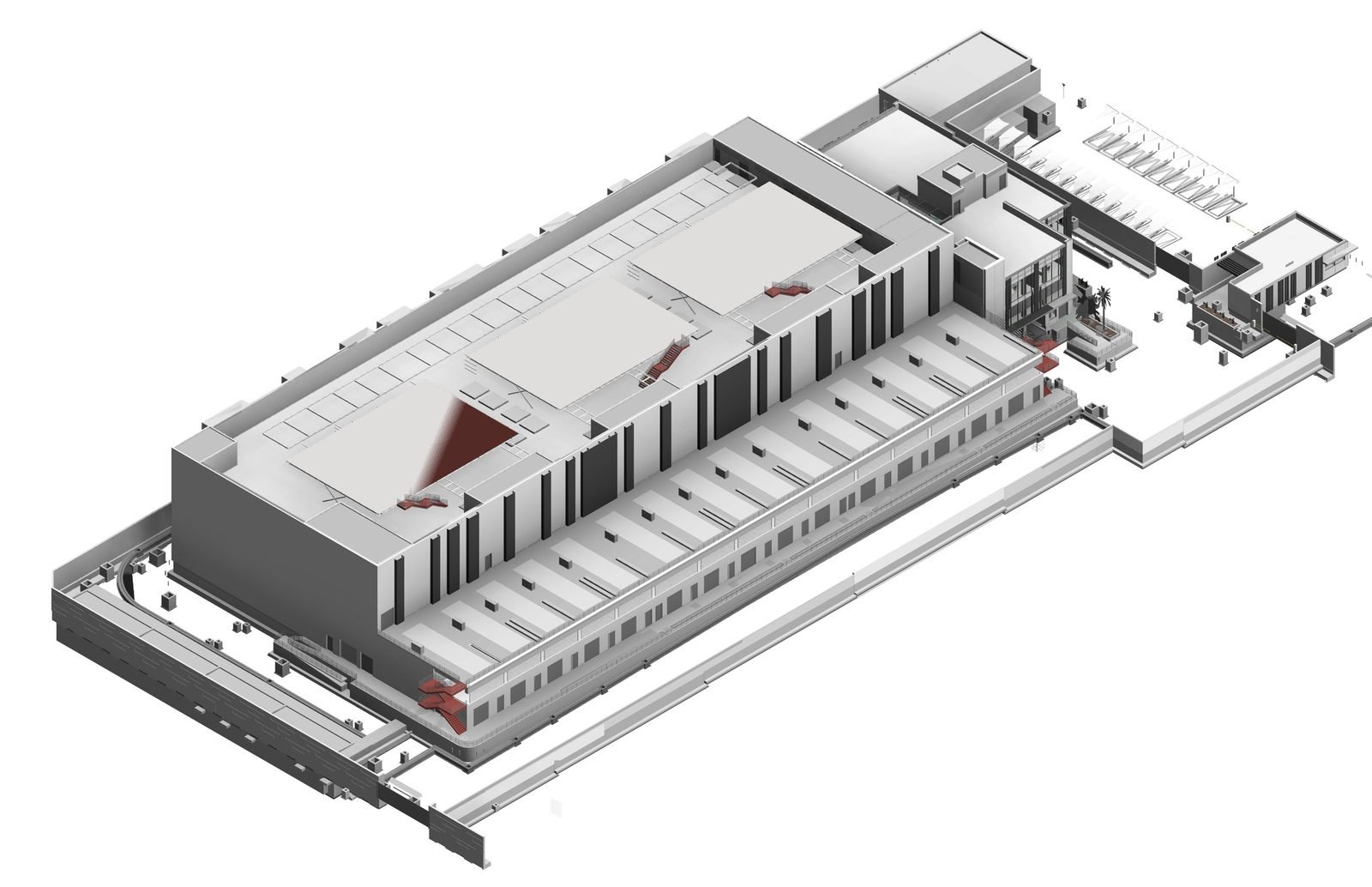

An existing building has already been designed and built; what is left to improve is how it runs. LEED for Operations and Maintenance certifies them on what they actually do (the energy they use, the water they draw, the waste they send out, how people reach them and how the people inside rate them) measured, not modelled. For an existing government or commercial building in the Kingdom, that makes it a different project from new-construction LEED: less design, more data, and a clock that starts with the meters.
How a v4.1 O+M score is built
LEED v4.1 O+M: Existing Buildings has 100 points, with Certified at 40, Silver at 50, Gold at 60 and Platinum at 80. Ninety of them come from a performance score in five categories, calculated in Arc from the building's own data; the remaining ten are strategy credits.

| Category | Points | Minimum data |
|---|---|---|
| Energy | 33 | At least 12 consecutive months of whole-building energy consumption |
| Water | 15 | At least 12 consecutive months of whole-building water use |
| Waste | 8 | At least one survey of waste generation and diversion from landfill a year |
| Transportation | 14 | At least one survey of occupant commuting a year |
| Human experience | 20 | At least one occupant satisfaction survey, and measured CO₂ and VOC concentrations |
The year of data is the schedule
Energy and water need twelve consecutive months. If the building has one utility meter for a campus of four blocks, or bills that arrive quarterly, or a chiller plant shared with a neighbour, the first task is not LEED at all: it is to establish a metered boundary that matches the building being certified. The months only start counting once that boundary is measured.
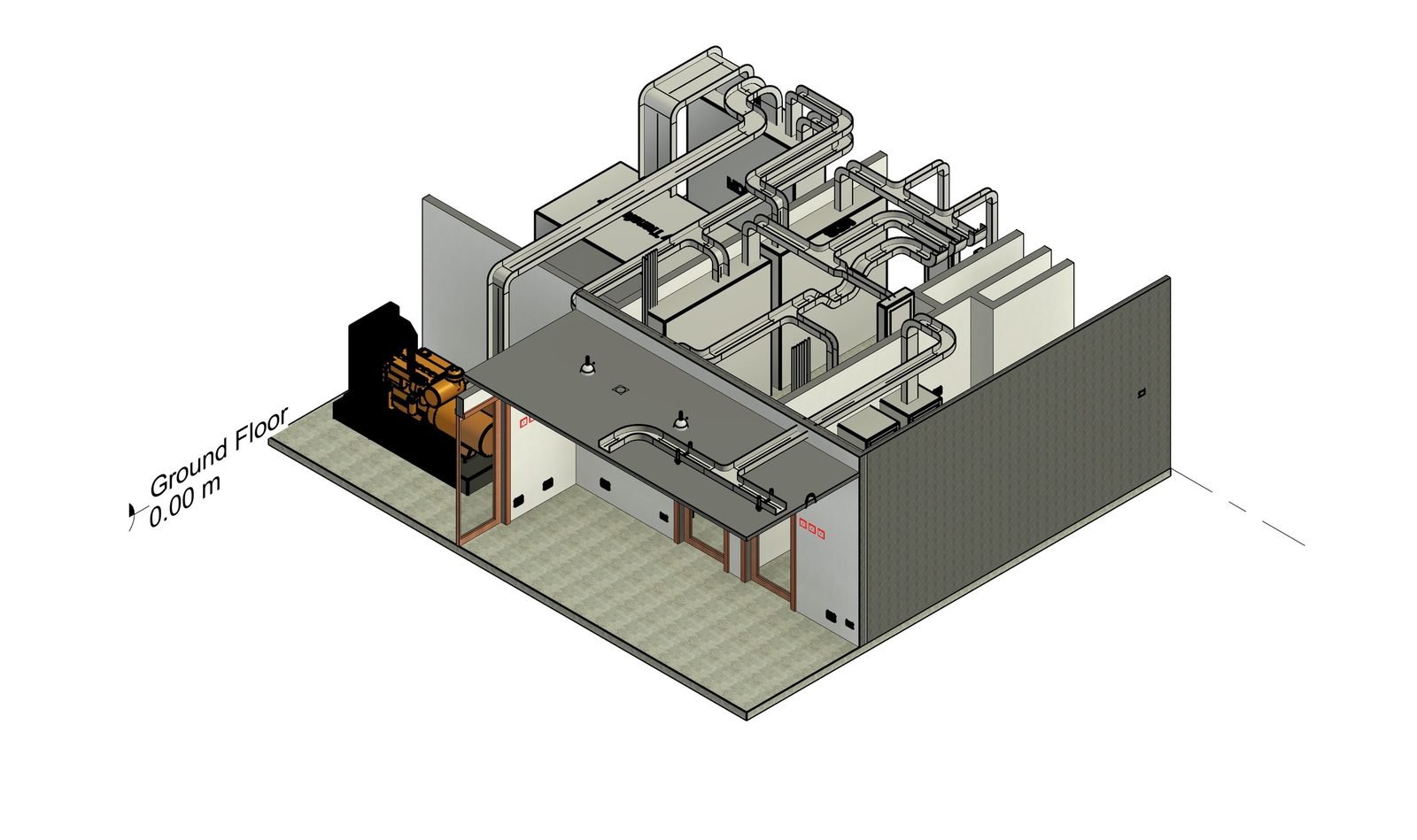
- Energy: map every meter to the certified boundary, including shared chilled water, and collect monthly readings.
- Water: potable water metered monthly; irrigation separated where it can be.
- Waste: a waste audit (weigh what the building sends out and what is diverted) at least once a year.
- Transportation: a commuting survey of occupants, at least once a year.
- Human experience: an occupant satisfaction survey, and CO₂ and VOC measurements in the occupied spaces.

Where existing buildings usually lose points
| Symptom | Cause | What fixes it |
|---|---|---|
| Energy score below the 40 threshold | Cooling setpoints and schedules that run the plant when nobody is in | Recommissioning the controls before the performance year, not during it |
| A gap in the energy data | A meter replaced or a bill lost mid-year | A data owner and a monthly check from the first month |
| Low human experience score | A survey with few responses, or CO₂ high in meeting rooms | Survey planning with the facility manager; ventilation checked where people gather |
| No waste data | Waste collected by a contractor who does not weigh it | Weighing written into the waste contract |
An O+M certification is the rare LEED project where the building is already built and the gains come from how it is run. We take it from the metered boundary to the Arc submission: see the MEWA project and LEED and green building. For planning the points, the LEED scorecard covers BD+C; the O+M score is Arc's.
Frequently asked questions
How long before an existing building can certify?
At least twelve consecutive months of energy and water data, plus the surveys and measurements for waste, transportation and human experience. If the metering is already in place, the data year may already exist; if it is not, the year starts when it is.
Does O+M certification require capital works?
No. It certifies performance. Capital works can raise the score, but most first gains in an existing building come from controls, schedules and data.
How long does an O+M certificate last?
Three years from the date of certification. Recertification uses recent performance data, so a building that keeps collecting it is always ready.